

- Lifestyle
Do You Like Piña Coladas?
Reporting live from the Rum Show, Chris Madigan wonders whether it’s time for the famously unfashionable cocktail to make a comeback
- Words By Christopher Madigan

Remember Guilty Pleasures? Those compilations CDs and club nights which supposedly reclaimed naff tunes that were actually bangers (as if Darryl Hall, one of the greatest soul voices of all time, needed reclaiming)? One regular on the turntable (and on the 2005 CD Guilty Pleasures Rides Again) was the 1979 hit everyone calls The Piña Colada Song. It was a double guilty pleasure.
First: it was one of those classic 1970s/80s story songs (see also Smoke On The Water; Camouflage; The Devil Went Down To Georgia; everything Chris de Burgh ever did). More than that, it namechecked an incredibly unfashionable cocktail (because we were so sophisticated with our Cosmos back then, ahem.)
The backlash against the whole idea of guilty pleasures grew with a generational shift in attitudes. If we are not to be kink-shamed any more, we should certainly not feel contrite at enjoying Supertramp or creamy cocktails. By the time the pandemic rolled over us, the piña colada was muscling in among negronis, mojitos and martinis in lists of favourite cocktails.
And, on a recent weekend at the Rum Show in London, it is still held in affection.
Max Helm, who launched Eminente, a premium rum from Cuba, in the UK, sums up the appeal of the rum-pineapple-coconut concoction:
There's a romantic connection with everything a piña colada stands for... the ultimate in relaxation by a pool, letting time go by and being happy. It makes a connection with happiness.
Lexa Ulijaszec, a brand ambassador for Bacardi, adds, “I think there is a place for the classic frozen, blitzed piña colada beyond the beach, because, when I can't be in the Caribbean, I can go to Rum Shack or Trailer Happiness here in London, and I can pretend that I am there for an evening.”
Jimmy Harris, one of the Glassmates (https://glassmatesuk.com/) — three black British drinks experts whose mission is to spread knowledge and love of spirits — answered the question with a caveat: “Piña colada? Love it, love it. It has its place. Jug of it by the pool in a hotel in the Caribbean... perfect. But on a Wednesday evening in London? Maybe not.”
Liam Holyoak-Rakal, global brand ambassador at Havana Club, puts the colada only third behind the daiquiri and mojito, because of quality control: “The texture is the hardest thing to nail with a piña colada. Whether you blend it or shake over ice, it’s the hardest thing to keep consistent. If it’s not chilled enough, it can come like quite congealed and over-sweet, especially if you leave it in the sun — or it gets caught in the rain, to quote the song.”
Jimmy Harris has a solution for out-of-season and off-location pining for the piña: “I make a piña colada old-fashioned — coconut rum with a homemade pineapple syrup (made from roasted pineapple and brown sugar); add a couple of drops of orange bitters; stir it down and serve it with a piece of the roasted pineapple.”
Bars around the UK offer similar reinterpretations of the traditional recipe and its relatives. Georgi Radev of Laki Kane has created a clarified version of the Miami Vice (the super-indulgence that swirls a piña colada and frozen strawberry daiquiri into the same glass.)
Liam Holyoak-Rakal, global brand ambassador at Havana Club, raves about a version that Bristol bar Milk Thistle created for a competition for his brand: “They used malic acid, lactic acid and a pineapple essence. Although it was clear, it tasted incredibly creamy.”
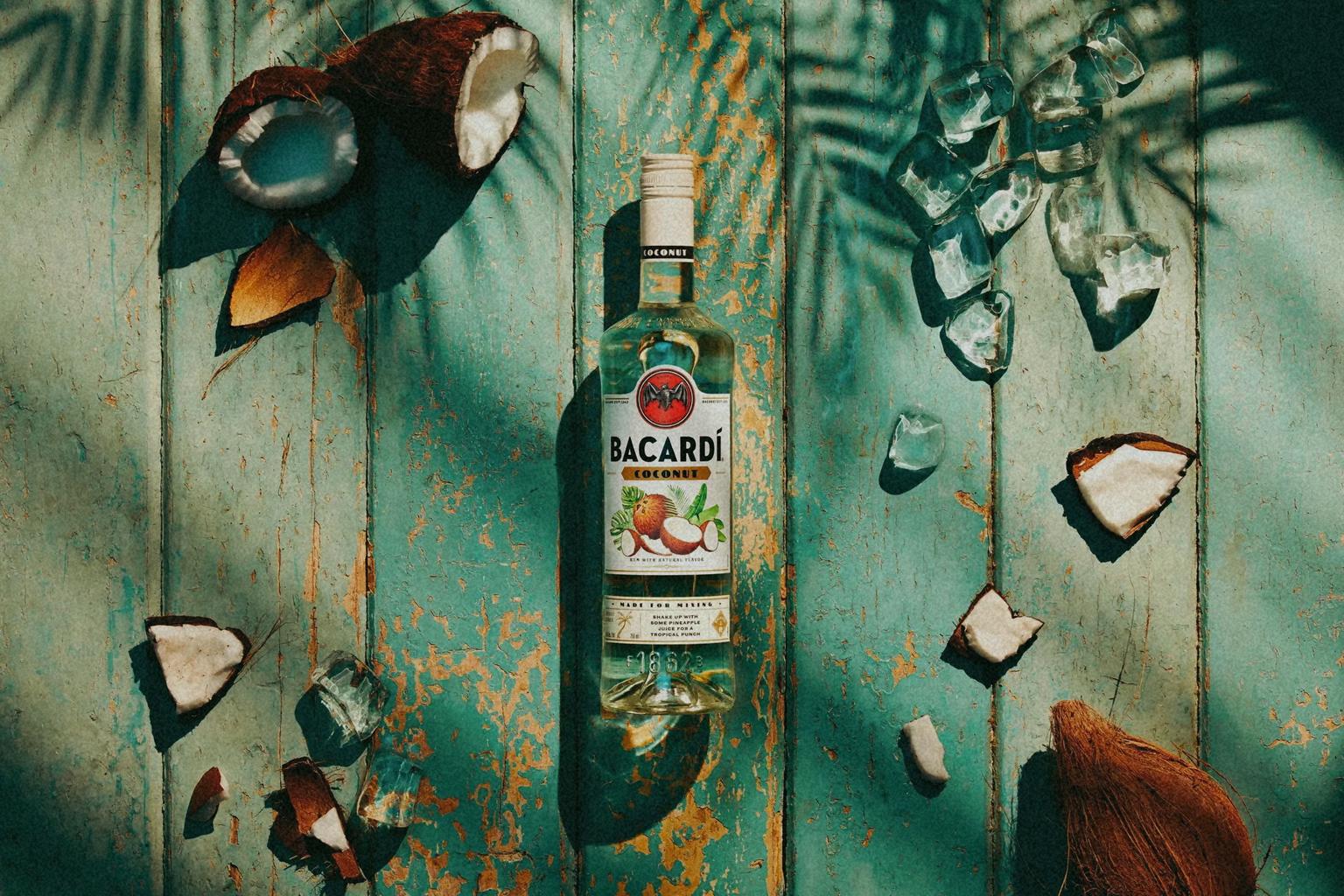
Lexa Ulijaszec recommends a coconut daiquiri at Panda & Sons in Edinburgh, made by freeze-extracting the water from 40% Bacardi Carta Blanca rum and replacing it with clarified coconut milk, and adds an idea that’s easy to make at home.
Another option is what I like to call skinny colada: coconut rum, pineapple juice, dash of lime, topped with soda and a dash of lime.
So, which rum should you use to make a piña colada? As you might expect, every exhibitor at the Rum Show claimed theirs is the best. But the thing with rum is that each big brand has a cocktail it tries to own — of the ‘Hispanic rums’, Havana Club is most associated with the mojito; Ron Santiago de Cuba has the daiquiri; Bacardi is big on mai tais.
The best claim to the piña colada is that of Don Q Gold. Liza Cordero, master blender of the Puerto Rican distillery, explains how “in the 1950s, the Puerto Rican government was trying to attract American investment and tourism, so built the Hilton Caribe in a joint venture. In 1954, the head bartender there, Monchito Marrero, mixed a drink that used the Coco Lopez coconut cream, which used a process that had been developed that same year at the University of Puerto Rico. And he later went on record as saying he reached for Don Q rum.”


There are rival invention claims from other bartenders on the island but one is from 1953, which is before the invention of Coco Lopez, and the other is from 1963, which is just laughable.
Bacardi does have a claim to the piña colada, born from a mention in a US travel magazine from 1922 about Cuba, but it didn’t contain coconut (albeit the name of the cocktail means “strained pineapple” and doesn’t mention coconut). So, it seems fair to listen to Lexa Ulijaszec’s suggestion of using their Carribean Spiced rum. “It’s blended from classic Bacardi distillates, aged for between two and four years. Then we use real pineapple to help bring it down to 40% ABV — filtered pineapple juice combined with sugar syrup that we make from coconut flowers with a little bit of vanilla and cinnamon in the background as well.”
The International Bartenders Association’s official recipe calls for white rum. However, a gold rum has the right balance for a piña colada (as long as that gold colour is from wood ageing, not caramel). Liza Cordero of Don Q says: “Our Gold is blended from rums aged between one-and-a-half and five years, so you get a balance between the real rum character and a little oak note, not too much to spoil the refreshing pineapple and sweet coconut.” In other words, don’t get flashy and waste your aged sipping rum on a colada.
The IBA recipe runs 50ml rum, 50ml pineapple juice and 30ml coconut cream, blended with ice (unfortunately it doesn’t say how much, which is crucial, but a heaped 5oz bar scoopful is a good start). It does recognise that, historically, lime juice was added. It depends on how sweet your pineapple juice is — have it ready to adjust.
So, leaving the Rum Show before sampling so many rums that I’d consider making love at midnight in the dunes of the Thames foreshore, it was time to draw conclusions. Not one person flat-out said they didn’t like piña coladas. It seems we live in a post-guilty pleasures world. And the main reason we like the cocktail is the same one that inspired Rupert Holmes to put it in the lyrics.
What is often forgotten is that The Piña Colada Song is not called The Piña Colada Song; it’s called Escape. Holmes said,
This woman wants an escape, like she wants to go on vacation to the islands... You're on vacation, you want a drink in a hollowed-out pineapple with the flags of all nations and a parasol.
The piña colada is the ultimate escape drink. Find everything you need to make yours at House of Decant.


